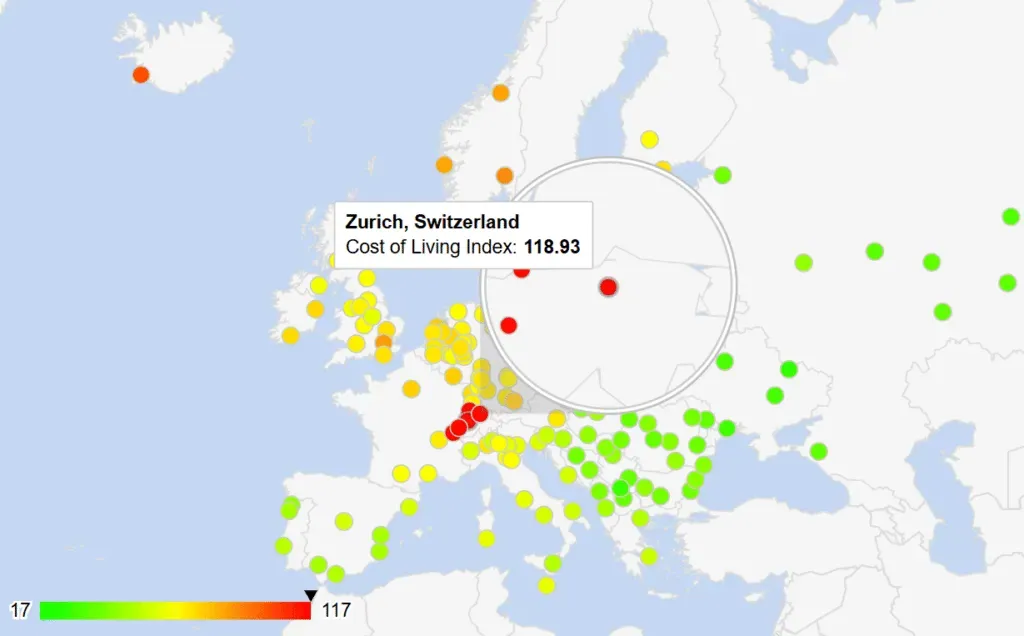
Zurich is expensive because Swiss wages are high, the franc is strong, and almost nothing here is cheap to produce. Zurich and Geneva top Europe's cost-of-living rankings in 2026, ahead of London, Paris and Amsterdam. But the same data shows Zurich with a local purchasing power index of 167.3 — among the highest anywhere. It's expensive to visit, not expensive to live in.
The number that changes the picture
Most articles stop at "Zurich is the most expensive city in Europe" and leave it there. The more useful figure sits next to it: purchasing power. Zurich scores a cost index including rent of 93.18 and a local purchasing power index of 167.3.
What that means in plain terms: a Zurich salary buys more of a Zurich life than a London salary buys of a London life, despite Zurich's higher prices. The city is costly in absolute francs and comfortable in relative ones.
That split explains the whole experience. If you arrive earning euros or dollars, everything feels punitive. If you live and earn here, a CHF 25 lunch is roughly what a CHF 25 lunch should feel like.
What things actually cost
| Item | Zurich, 2026 |
|---|---|
| One-room flat, city centre | ~CHF 1,600/month |
| Two- to three-room flat | CHF 2,000–3,500/month |
| Basic health insurance, adult | several hundred CHF/month |
| Household of four, all in | CHF 8,000–12,000/month |
| Restaurant main course | CHF 25–40 |
| Coffee | CHF 4.50–6 |
The rent figure is the one that shocks visitors most, and it's worth knowing that roughly 1,600 francs buys a single room in the centre — not a one-bedroom flat as the phrase suggests elsewhere in Europe.
Why the franc makes everything worse for visitors
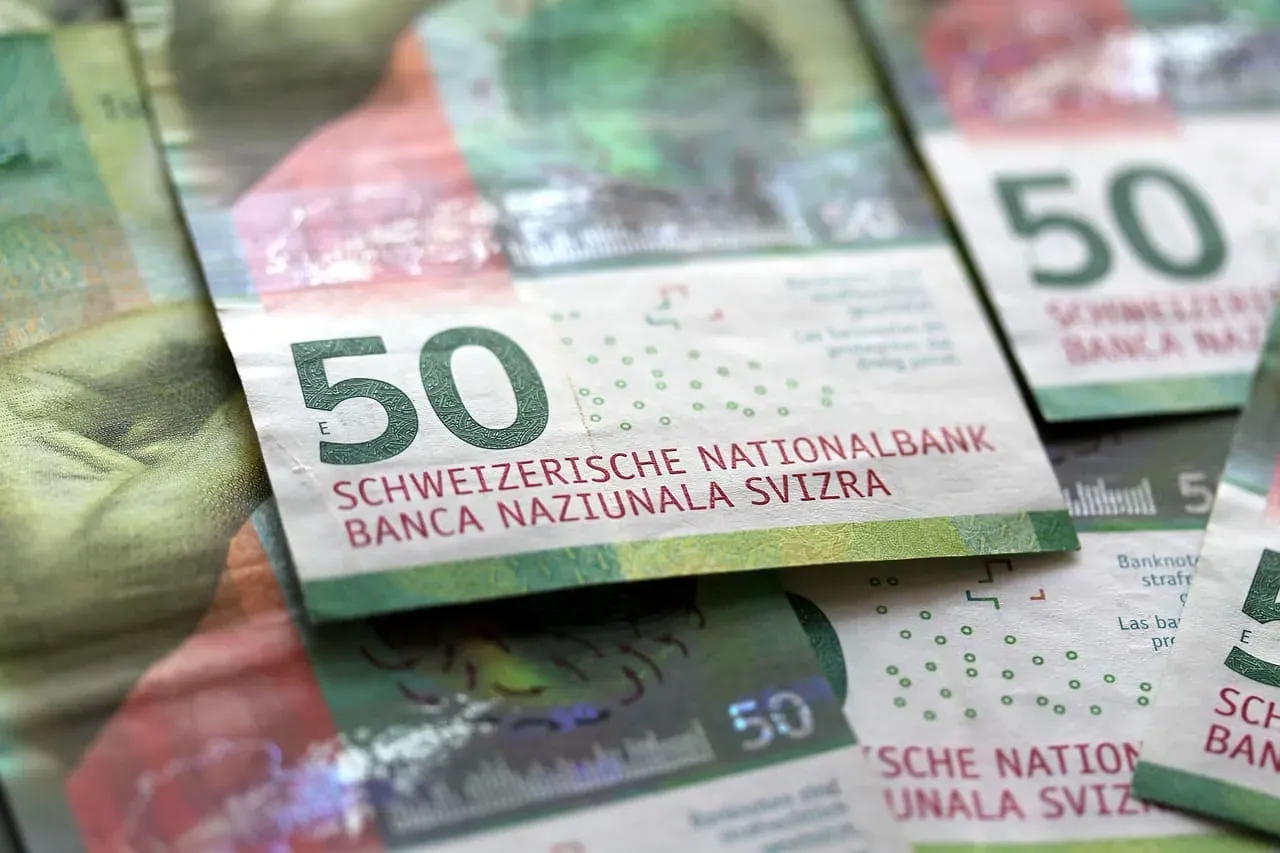
The Swiss franc is a safe-haven currency. When markets get nervous anywhere in the world, money moves into francs and the exchange rate strengthens. That is excellent for Swiss savers and painful for anyone converting euros at the airport.
Swiss prices barely move to compensate, because domestic wages and rents are set in francs and don't fall when the currency rises. So a strong franc quietly raises the cost of a Zurich holiday without a single Swiss price tag changing.
Wages: the root cause of the price of everything
A waiter, a bus driver and a supermarket cashier in Zurich all earn multiples of what the same jobs pay in most of Europe. Switzerland has no statutory national minimum wage, but sector agreements and simple labour scarcity keep the floor high.
Every service you buy carries those wages. That CHF 6 coffee isn't marked up for tourists — it reflects what it costs to employ someone in a city where rent is CHF 1,600 for one room. The price of labour is the price of everything downstream of labour.
It also explains why the same is true of restaurant food: the ingredients are not the expensive part. Our guide to the best cheese fondue in Zurich lists what a pot actually costs across the city, and the spread between places says more about rent and service than about cheese.
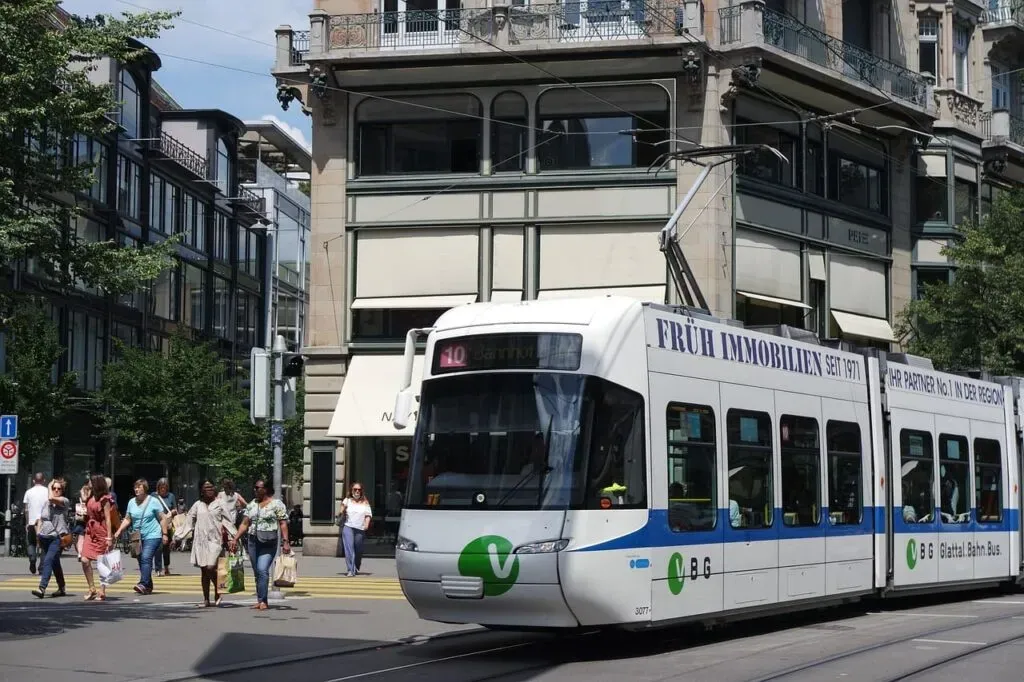
The upside nobody mentions: those wages fund a level of public service that shows. Trams run to the minute, the streets are clean, and crime is low — all of it staffed by people earning Swiss salaries. Quality-of-life rankings consistently place Zurich near the top for exactly that reason.
Land, building rules and construction standards
Zurich is hemmed in by a lake, hills and strict zoning. There is very little developable land, and Swiss planning law makes adding density slow and contested. Demand grows, supply barely moves, rents climb.
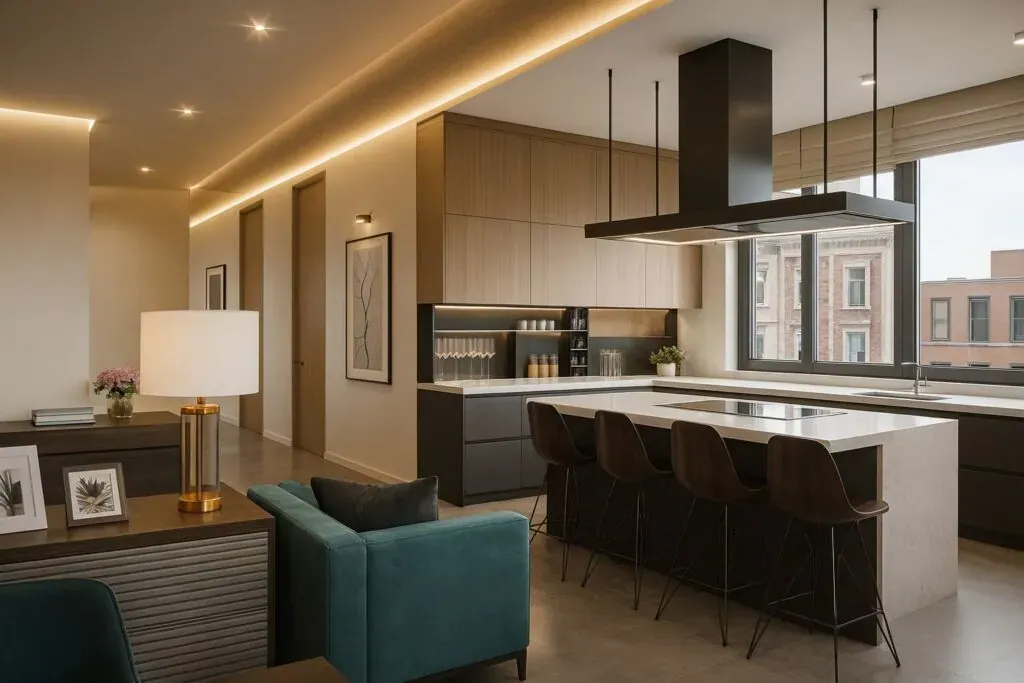
What does get built is built to a standard that costs money: heavy insulation, triple glazing, sound isolation, mandatory bomb shelters. Swiss buildings last and run cheaply, but the upfront cost lands in the rent.
Health insurance is a real household cost
Switzerland has no employer-paid or tax-funded health system. Every resident buys mandatory basic insurance privately, and the premium is the same regardless of income — several hundred francs a month per adult, children extra. The Federal Office of Public Health publishes the approved premiums each autumn for the year ahead.
This doesn't affect a holiday, but it explains why Swiss salaries look enormous from outside and merely comfortable from inside. A large fixed sum leaves the household before anything else is spent.
How to visit Zurich without overspending
- Drink the tap water. It's excellent, and 1,200 public fountains run drinkable water for free.
- Lunch, not dinner. Most restaurants run a Mittagsmenü at CHF 20–25 that costs nearly double in the evening.
- Supermarket picnics. Coop and Migros are normal Swiss prices; a lake-side lunch costs a fraction of a terrace.
- Buy a day pass, not singles. Our guide to whether the Swiss Travel Pass is worth it works out when it pays.
- The best things are free: the lake, the Old Town, Uetliberg, swimming at the Badis in summer.

FAQ
Is Zurich more expensive than the United States?
Yes, comfortably — Zurich is more expensive than almost any US city including New York and San Francisco, especially for restaurants, groceries and services. Rent is closer, because US coastal cities are themselves extreme.
How does health insurance affect Zurich's cost of living?
Substantially. Basic insurance is mandatory, bought privately, and costs several hundred francs a month per adult regardless of income. It's a fixed cost that leaves the household before anything else, which is why Swiss salaries stretch less than they appear to.
Is rent really that high in Zurich?
Yes. A one-room flat in the centre runs around CHF 1,600 a month, and a two- to three-room flat CHF 2,000–3,500. Vacancy rates are near zero, so viewings routinely draw dozens of applicants.
Why do goods in Switzerland cost more than neighbouring countries?
Swiss wages, rents and distribution costs are all higher, and agricultural protection keeps food prices above EU levels. The strong franc adds a further gap for anyone converting from euros.
Can tourists save money while visiting Zurich?
Yes, meaningfully. Eat the lunch menu instead of dinner, drink tap water, shop at Coop or Migros, buy a transport day pass rather than singles, and lean on the free attractions — the lake, the Old Town and Uetliberg cost nothing.
Does Zurich's quality of life justify the high costs?
For residents the numbers say yes: purchasing power sits at 167.3, among the highest measured anywhere, alongside very low crime and transport that runs to the minute. For a short visit you pay the prices without collecting the salary, which is why it feels steeper as a tourist than it does as a local.
The short version
High wages, a safe-haven currency, no land to build on and privately funded healthcare. Zurich tops Europe's cost rankings — and its purchasing power index of 167.3 says residents absorb it comfortably. Visit on lunch menus and tap water and the gap narrows fast.
Cost figures from 2026 cost-of-living surveys. Checked September 2026.