Zurich is one of the safest large cities in Europe. Police recorded 44,434 criminal offences in the city during 2025, down 8% from 48,321 in 2024, and violent crime across the canton fell 6%. For visitors, the realistic risk isn't violence — it's pickpocketing around the main station, on airport trains, and along Langstrasse.
Zurich safety at a glance (2025 figures)
Zurich's cantonal and city police published their 2025 crime figures on 23 March 2026. Most English-language safety guides still quote numbers from 2022 or 2023, so the table below is worth a look even if you've read three other articles on this.
| Measure | 2025 | Change vs 2024 |
|---|---|---|
| Criminal offences, city of Zurich | 44,434 | −8% |
| Total crime, canton of Zurich | — | −5% |
| Violent offences, canton | — | −6% |
| Burglary, canton | — | −12.5% |
| Youth crime, canton | — | −10% |
| Domestic violence reports, canton | 7,880 | record high |
One number in that table moves the other way. Reports of domestic violence hit an all-time high of 7,880 — police attended 21 to 22 such callouts every day. That's a serious problem for people who live here, but it isn't a street-safety risk for visitors, and it's worth being precise about the difference.
How does Zurich compare to other European cities?
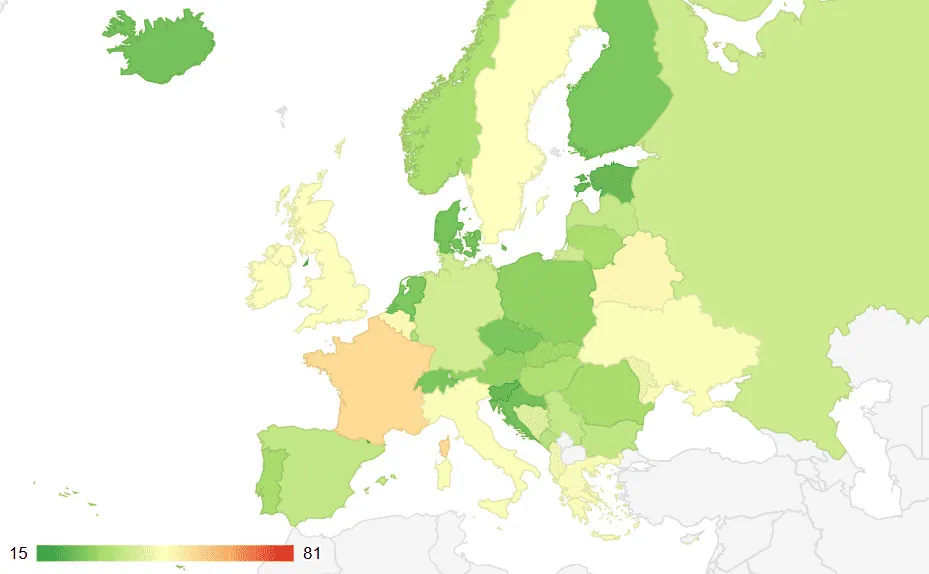
Zurich consistently places near the top of European safety rankings, alongside cities like Bern, Munich and Copenhagen. Switzerland's overall crime rate sits well below the western European average, and Zurich's own figures run below the Swiss national trend — while crime fell 5% across the canton in 2025, the drop nationwide was only 1.5%.
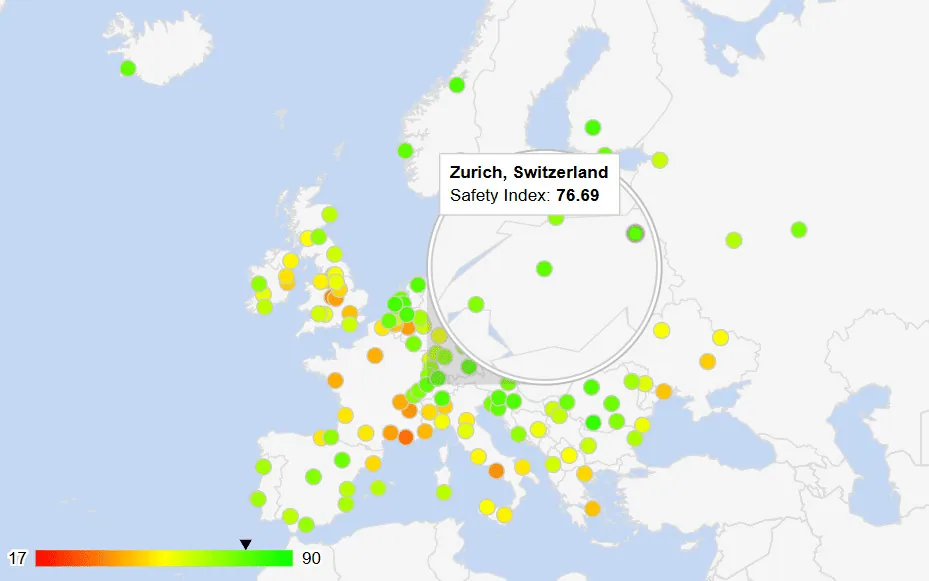
There's one ranking where Zurich scores less well: theft aimed at tourists. A 2025 European comparison placed Zurich tenth among cities where visitors are most likely to have something stolen. That sounds alarming until you see what kind of theft it means — bags and phones taken from distracted people, not robbery.
Where does crime in Zurich actually concentrate?
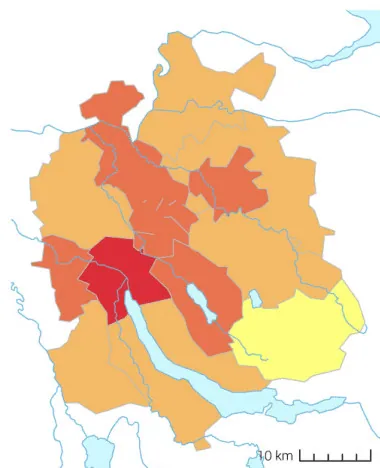
Two places account for a disproportionate share: Zurich Hauptbahnhof and the Langstrasse district. Together they account for roughly 29% of recorded physical violence in the city. Almost everywhere else — Old Town, Seefeld, Enge, Wiedikon, the lakeshore — records very little.
This matters because it makes the advice specific instead of vague. You don't need to be careful "in Zurich". You need to pay attention in two areas, and mostly at particular hours.
Langstrasse is Zurich's nightlife strip and its red-light district at the same time. It's busy, loud and heavily policed, and thousands of people walk through it every weekend without trouble. What happens there is mostly drunk arguments after midnight and opportunistic theft in crowds.
Is Zurich safe at night?
Yes. Zurich is safe to walk at night in almost every district, including the Old Town and along the lake. Trams and buses run until roughly half past midnight, and the night network (marked with an N) runs Friday and Saturday through to morning. Stations are lit and monitored.
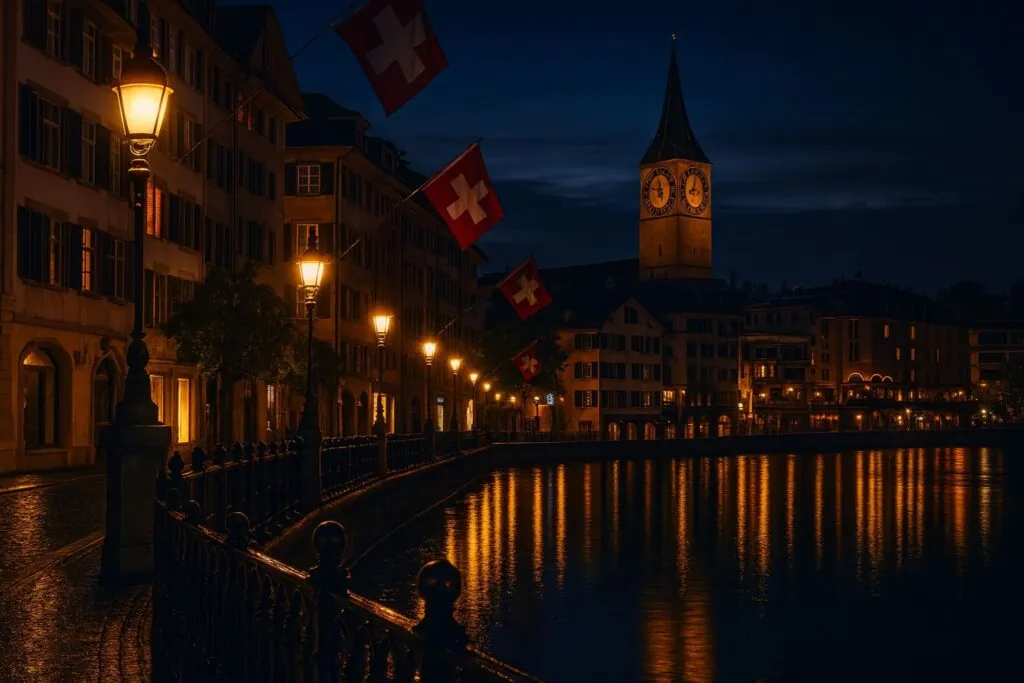
The honest caveat: between about 1am and 4am on Friday and Saturday, Langstrasse and the immediate area around Hauptbahnhof get rowdy. It's alcohol, not organised crime. If you're heading home late, take the tram rather than walking through Langstrasse, and you've removed almost all of the risk.
Is Zurich safe for solo female travellers?
Zurich is one of the easier European cities for women travelling alone. Walking alone after dark in the Old Town, Seefeld or Enge is routine here, and public transport is well used late into the evening rather than empty.
The practical advice is the same as for anyone: skip the Langstrasse side streets late at night, and use the tram instead of a long walk home. Swiss trains and trams have emergency call buttons in every carriage, and the SBB app shows exactly when the next connection leaves, so you're rarely standing around waiting.
The one thing that actually goes wrong: pickpocketing
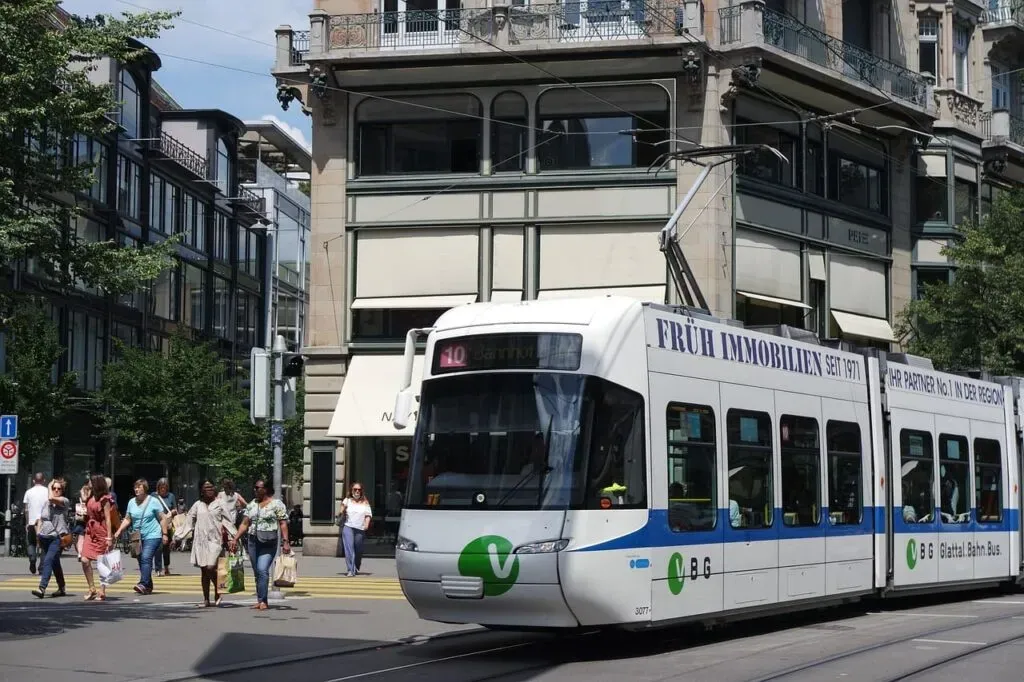
Pickpocketing is the only crime most visitors will ever be near, and it clusters on predictable routes. Thieves work the trains between Zurich Airport and the main station, the popular day-trip route to Lucerne, and crowded trams at rush hour. People often don't notice until they get off.
It also picks up in summer, when the crowds along Bahnhofstrasse and around the lake are densest. These are grab-and-go thefts — a phone left on a café table, a bag hung on the back of a chair, a wallet in an open backpack.
Six rules that cover almost everything
- Front pockets on trains. Especially on the airport line and the Lucerne route.
- Bag on your lap, not on the chair back. This is the single most common way people lose things in Zurich cafés.
- Take the tram after 1am rather than walking through Langstrasse.
- Drink the tap water. It comes from the lake and springs, and it's tested constantly — buying bottled water here is just spending money.
- Validate your ticket before boarding. Fare inspectors are frequent and the fine is CHF 100 on top of the fare.
- Check the weather before mountain trips. More visitors get into trouble on Uetliberg and the surrounding hills through bad footwear and sudden fog than through any crime.
Emergency numbers in Zurich
| Service | Number |
|---|---|
| European emergency number | 112 |
| Police | 117 |
| Fire brigade | 118 |
| Ambulance | 144 |
| Medical helpline (non-urgent) | 0800 33 66 55 |
Operators speak English. If you're not sure which number to use, dial 112 and they'll route you.
FAQ: Your quick questions on Zurich safety answered
What is the biggest safety concern for tourists in Zurich?
The biggest, and realistically only, significant concern is petty theft. Pickpocketing in crowded areas is the main thing to watch out for. Keep valuables in a front pocket or a zipped bag, stay aware on busy trams and around Hauptbahnhof, and you've addressed the risk almost entirely.
Can you drink the tap water in Zurich?
Yes, absolutely. Switzerland has some of the highest-quality tap water in the world, and it's perfectly safe to drink — often better than bottled. Zurich also has around 1,200 public fountains running drinkable water, so you can refill a bottle almost anywhere in the city for free.
Is the Zurich Hauptbahnhof (main train station) safe at night?
Yes, Zurich HB is very safe, even late at night. As a major transport hub it's always busy, well lit, and has a constant police and security presence. The area does attract a rowdier crowd after midnight at weekends, so keep your bag closed and your phone away, but the station itself is not somewhere to avoid.
Do I need to speak German in Zurich to be safe or ask for help?
No. While German is the official language, English is very widely spoken in Zurich — by police, transport staff, hotels and almost anyone working in the city centre. You can report a problem, ask for directions or call an emergency number entirely in English.
So, is Zurich safe?
On the 2025 figures, yes — and it got safer, not less safe. Crime in the city fell 8% year on year, violence fell 6%, and burglary fell 12.5%. Watch your bag on the airport train and around Langstrasse after midnight, and the rest of what people worry about doesn't really happen here.
If Zurich is on your shortlist, our guides to whether Zurich is worth visiting and what to eat while you're here cover the parts of the trip that actually need planning.
Crime figures: Kanton Zürich and Stadt Zürich police statistics for 2025, published 23 March 2026. Last checked September 2026.