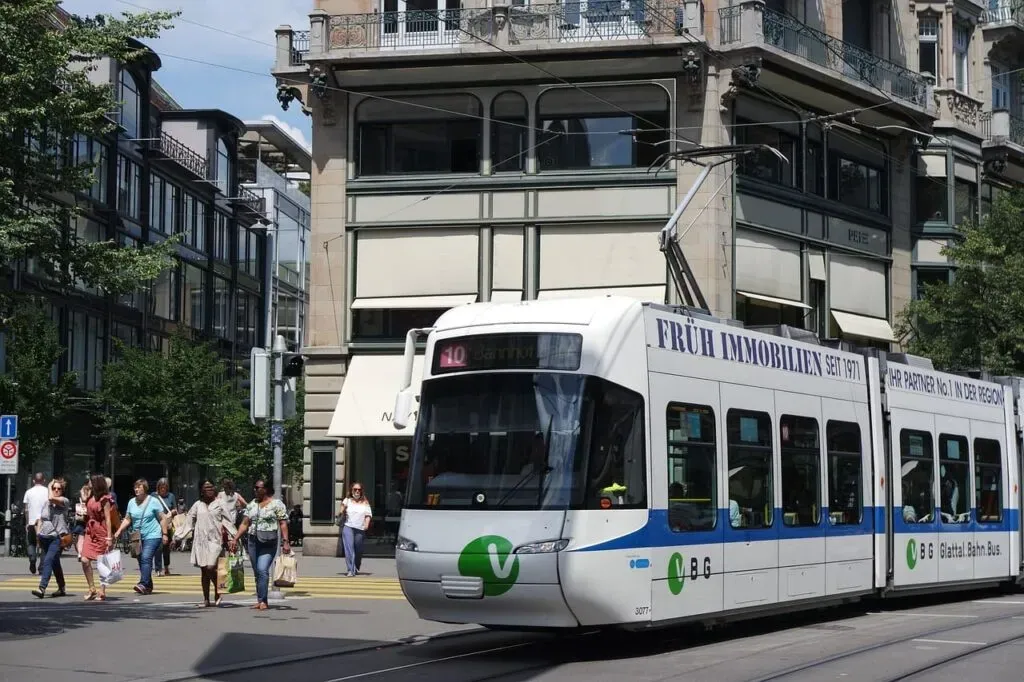
If you’re wondering what time zone is zurich, here’s the short version: Zurich (and all of Switzerland) uses Central European Time (CET, UTC+1) in winter and Central European Summer Time (CEST, UTC+2) in summer. That switch to summer time follows the European pattern: clocks change on the last Sunday of March and change back on the last Sunday of October.
For developers and meeting planners, the official IANA time zone ID you’ll use is Europe/Zurich (the canonical zone that covers the entire country).
Bookmark the sources: Switzerland’s metrology institute explains the rules in plain language on its site — METAS: Official time in Switzerland (CET/CEST) — and the IANA database lists the standard ID —
Europe/Zurichzone file.
Why Zurich uses CET and CEST (and when the clock changes)
Zurich follows CET (UTC+1) as the country’s legal standard time and shifts to CEST (UTC+2) in summer “between the last Sunday of March and the last Sunday of October.” That’s written into Swiss practice and aligns with surrounding European countries, so cross-border trains and flights stay synchronized. In plain terms: one hour ahead of UTC in winter; two hours ahead of UTC in summer.
Exact change-over pattern (how it works on the night)
- Start of summer time (CEST): in spring, when the clock hits 02:00, it jumps to 03:00 (you “lose” one hour).
- End of summer time (back to CET): in autumn, at 03:00, the clock goes back to 02:00 (you “gain” one hour).
Official Swiss notices confirm those hours each year (and give the precise dates).
This year’s real dates (example)
For a concrete example, in 2026 summer time in Zurich started on Sunday, 29 March, and ended on Sunday, 25 October — exactly as the rule predicts.
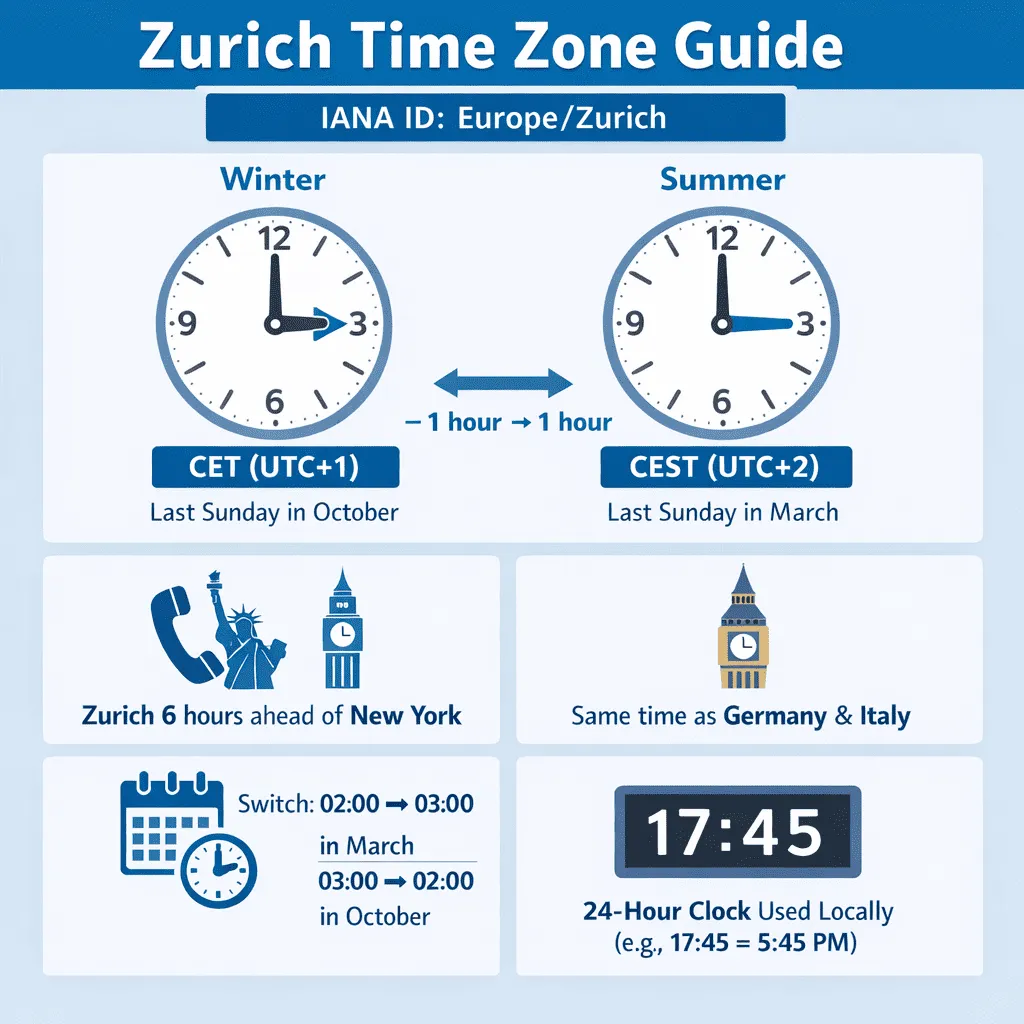
The IANA ID you’ll actually use: Europe/Zurich
If you schedule software events, configure servers, or share calendar invites across time zones, don’t store “CET/CEST” as text. Use the IANA tz identifier Europe/Zurich. It’s the canonical zone for Switzerland in the database and ensures your events follow the legal changes automatically — including historical corrections. (Fun fact: the file even documents pre-1894 quirks.)
Offsets made simple: Zurich vs. other cities
When you plan calls or arrivals, translate Zurich’s offset to places you message most:
- Zurich ↔ London: Zurich is +1 hour ahead in winter (CET vs. GMT) and still +1 hour ahead in summer (CEST vs. BST). During a few “transition weeks” each year, there can be brief 0- or 2-hour gaps because the UK/EU shift dates sometimes differ by a week — check the specific Sunday. (Use any world clock if your date sits near late March/late October.)
- Zurich ↔ New York: Typically +6 hours (CET vs. EST) and +6 hours again in summer (CEST vs. EDT). Around the US/EU switch dates, that offset can be +5 or +7 for roughly 1–2 weeks.
- Zurich ↔ Berlin/Milan/Paris: Same clock year-round because these cities also use CET/CEST.
If you want a verified snapshot for a given day, a world-clock page for Zürich shows the current offset and the DST boundaries for the calendar year.
Everyday planning: trains, planes, meetings, and the 24-hour clock
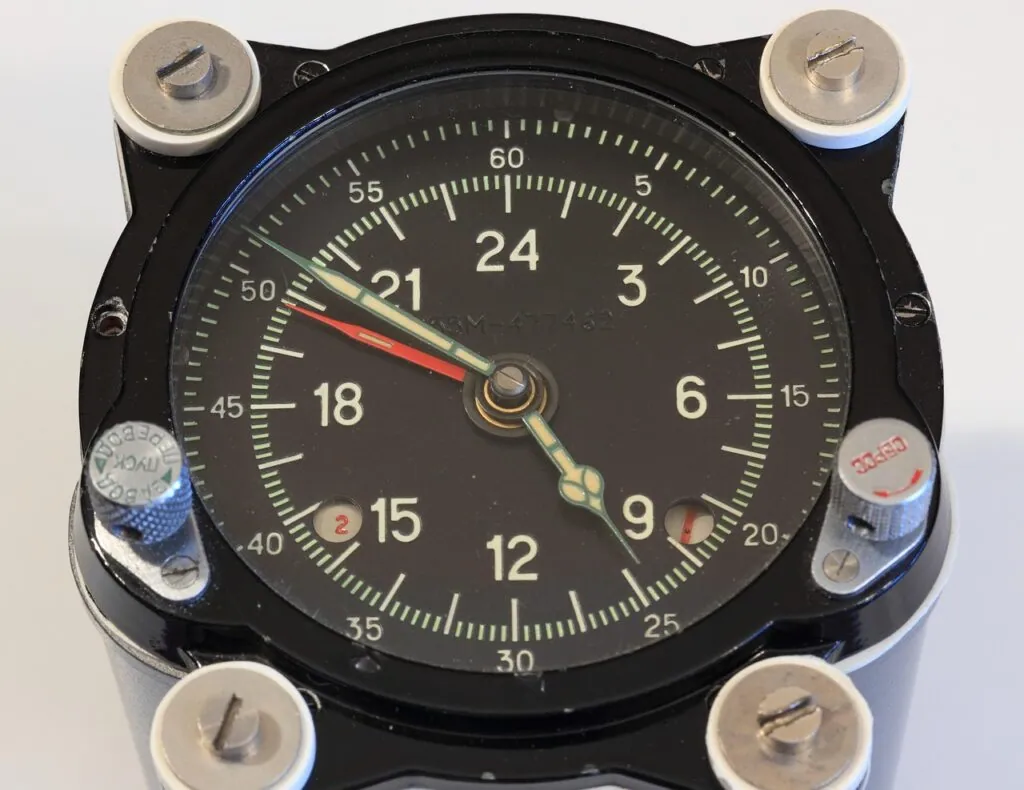
You’ll see both 12-hour and 24-hour styles written in English, but in Switzerland the 24-hour clock appears everywhere official (timetables, tickets, museums). The national railway (SBB) timetable and Swiss airport schedules use local time for departure/arrival. If you read “14:42,” that’s 2:42 pm — no ambiguity.
Tip for travelers: put your phone and laptop on “Set time zone automatically” and pick “Zurich” (or Europe/Zurich if your app exposes IANA names). Calendar apps then auto-convert invitations and protect you from DST week mistakes.
How “what time zone is Zurich” changes through the year (human examples)
You book a dinner in the Old Town for 19:00 on a Friday in January. That sits in CET (UTC+1) — easy. Later you join a video call with a colleague in New York at 15:00 Zurich time; in winter, it’s 09:00 EST there (–6 hours). In July, you plan a lake cruise at 20:15 while you ping a friend in London to join a stream at 21:00 Zurich time; your friend sees 20:00 on their end because Zurich runs CEST (UTC+2) and London runs BST (UTC+1).
On the last Sunday in October, your smartwatch nudges you as the clock repeats 02:00-03:00. Your morning train still leaves on time — it’s scheduled in local time and the SBB timetable already accounted for the extra hour.
Zurich time zone basics (and a few gotchas)
1) One country, one civil time
Switzerland keeps a single nationwide time (no regional differences). If you travel Zurich → Bern → Geneva, the wall clock stays the same.
2) CET/CEST abbreviations aren’t unique
“CET” and “CEST” are used across many countries. That’s why the IANA name Europe/Zurich is safer in code, booking systems, and invites.
3) The EU “DST reform” hasn’t changed Swiss practice
You may read headlines about abolishing clock changes in Europe, but Switzerland still switches with the European cycle each year. Government notices confirm the change-over times and dates annually.
Practical tips so you never miss a train or a call
- Convert times close to DST Sundays. The week before/after the change can create temporary differences with non-European locations. A world clock for Zürich is the fastest double-check.
- Set your devices to automatic time zone. Using
Europe/Zurichremoves guesswork when events spill over spring/autumn. - Expect 24-hour times on tickets and screens. “07:28” is 7:28 a.m.; “19:28” is 7:28 p.m. SBB and airports display in local time.
FAQ
What time format does Zurich use — 12h or 24h?
The 24-hour clock is standard on timetables and official sites; cafés and hotels may write 7:30 am/pm informally.
Is there a separate “winter time” in Switzerland?
Officially, Switzerland speaks of standard time (CET) and summer time (CEST), not “winter time.” Government notices explicitly phrase it this way when the clock goes back in October.
Does Zurich ever change offset on a date different from the EU?
No — Switzerland aligns with the European rule (last Sunday of March/October) and publishes the confirmation each year.
I scheduled a meeting at 09:00 CET in July. Is that wrong?
In July, Zurich is on CEST. If you label it “09:00 CET” people may read it as 08:00 local. Use the IANA ID or say “09:00 Zurich time (CEST).”
How do airlines and trains handle the change-over night?
They publish all times in local time and already account for the switch, so your ticket stays valid at the printed hour. (If you travel during the change, expect a slightly longer layover.)
Is Zurich on GMT?
No. Zurich is CET (UTC+1) in winter and CEST (UTC+2) in summer — never GMT.
Does Zurich observe daylight saving time?
Yes. Last Sunday in March → clocks forward 1 hour; last Sunday in October → clocks back 1 hour. In 2026 that was 29 Mar and 25 Oct.
What’s the IANA time zone for Zurich?
Use Europe/Zurich in software and calendars.
Is Zurich the same time as Germany or Italy?
Yes. They also use CET/CEST. (Offsets can differ by an hour for a few days around transitions if countries switch on different Sundays.)
How far ahead is Zurich from New York?
Usually +6 hours, but for about 1–2 weeks around March/October transitions, it can temporarily be +5 or +7. Check a world clock for those specific weeks.
The takeaway
what time zone is zurich: CET (UTC+1) in winter and CEST (UTC+2) in summer. The switch happens on the last Sunday in March (02:00→03:00) and the last Sunday in October (03:00→02:00). For unambiguous scheduling use Europe/Zurich as the time zone ID, and remember that official timetables in Switzerland display local time using the 24-hour clock.