A quick look before you go
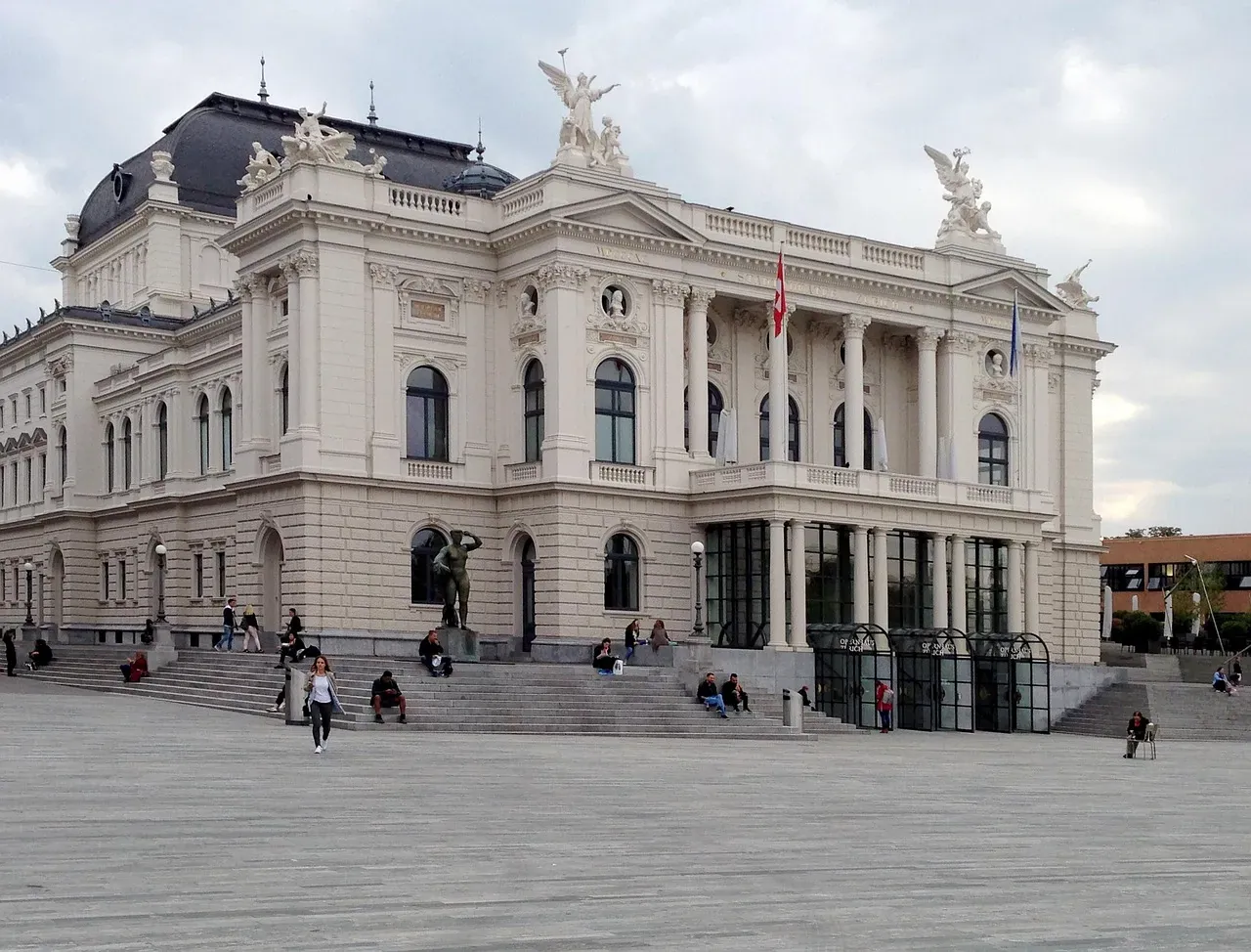
The zürich opera house (Opernhaus Zürich) is one of the city’s most iconic buildings, sitting right by Lake Zurich at Sechseläutenplatz. If you want one place that combines culture, architecture, and a perfect lakeside evening, this is it.
In this guide you’ll learn what makes the house special, how it was created, how to get tickets, what a Führung (guided tour) is like, and the easiest way to fit it into your day.
If you want the two most trustworthy official pages to keep open while planning:
- Zurich Tourism overview: https://www.zuerich.com/de/besuchen/kultur/opernhaus-zuerich
- Official guided tours (Backstage Tour): https://www.opernhaus.ch/en/spielplan/calendar/backstage-tour/
Why the zürich opera house feels so “Zurich”
Part of the magic is the setting. The zürich opera house is not hidden in a back street. It’s right where the city opens up to the lake, between Bellevue and the water, with Sechseläutenplatz as a giant stage outside. Even if you don’t go inside, walking past at sunset feels like a small event.
The other reason is the mix of tradition and modern life. You’ll see people dressed up for opera and ballet, right next to people in sneakers eating gelato and sitting on the square. That contrast is very Zurich: elegant, but never stiff.
The story behind its creation (and why the building looks the way it does)
The history of the zürich opera house starts before the current building existed. Zurich’s first permanent theatre, the Actien-Theater, opened in 1834 and later became connected with Richard Wagner’s Zurich years.
Then a turning point came: the old theatre burned down around 1889/1890. After that, Zurich built a new municipal theatre (Stadttheater Zürich), designed by the Viennese theatre-architect office Fellner & Helmer. The new house opened in 1891, and one famous early work performed there was Wagner’s “Lohengrin.”
Over time, the venue’s identity became more focused on opera and ballet. A helpful detail: the building used to be called “Stadttheater,” and later became known as Opernhaus Zürich (the Opera House).
Mini takeaway: when you stand outside today, you’re looking at a house that was created in the late 19th century as Zurich rebuilt its cultural heart after a fire—then grew into an opera and ballet institution with international reputation.
What you can see inside (even if you’re not an opera expert)
Some people skip opera because they think it’s “not for them.” In Zurich, it can be surprisingly welcoming if you choose the right format.
You have three easy options:
1) A full performance (opera, ballet, or concert)
This is the classic experience. You dress a little nicer, arrive early, enjoy the buzz, and settle in. Zurich is known for strong productions and an active season calendar (opera, ballet, concerts).
2) Opera “from the outside” at Sechseläutenplatz
Zurich has a popular concept where performances can be broadcast to a big screen outside on the square (“Opera for All”). It’s a fun way to feel the atmosphere without committing to a formal night inside.
3) A Führung (guided tour) to see how productions are made
This is perfect if you love behind-the-scenes details: costumes, props, stage life, and how a show is created.
Tickets: how to buy, how to save money, and what to expect
If you want tickets for the zürich opera house, the simplest rule is: buy early for big nights, and stay flexible if you want a deal.
Here are practical tips that work for most visitors:
- Pick your “goal.” Do you want the best view, the best price, or the best atmosphere? In opera houses, the “perfect seat” depends on whether you care more about facial expressions, sound, or seeing the whole stage picture.
- Consider weekday evenings. Weekends and premieres are more popular.
- Arrive early. Even if you already have tickets, arriving early makes the night feel calmer and helps you enjoy the building and the square.
- If you’re unsure, choose ballet. Many first-timers find ballet easier than opera because the story is visual.
For event planning and access, the opera house recommends public transport and lists tram and station options for getting there easily (including Bellevue and Zürich Stadelhofen).
Guided tour (Führung): the easiest way to fall in love with the place
If you want one “yes, do it” recommendation, it’s a guided tour. It gives you the best stories in the shortest time, and you don’t need any prior knowledge.
A popular option is the Guided Tour Opera House (Backstage Tour):
- Duration: 60 minutes
- Language: English (on specific dates)
- Price: CHF 15
- What you see: dressmaking, wardrobe/costume stock, props, and the stage
- Meeting point: box office foyer / Bernhard Theater entrance
- Tickets: buy in advance at the box office; capacity is limited
That “creation” angle is the best part. You suddenly understand how many people it takes to build one evening on stage: from sewing and wigs to props and quick changes.
If you want a more technical version, there are also stage-technology tours (longer and deeper), with a higher price and a recommended minimum age.
One honest note: accessibility is not perfect in every backstage area. The opera house states tours for people with disabilities may be possible only in a limited, private setting, and they offer a contact for arrangements.
How to plan your visit around the city (simple, no stress)
The zürich opera house sits in a very “easy” part of Zurich for tourists. You can combine it with a full day that still feels relaxed.
A clean plan looks like this:
- Late afternoon: walk along the lakefront from Bürkliplatz toward Bellevue.
- Early evening: arrive at Sechseläutenplatz, grab a drink nearby, take photos of the façade.
- Night: performance inside, or (seasonal) “Opera for All” outside, then a short walk back toward the river and Old Town.
If you’re coming from Zürich HB, public transport is straightforward. The opera house highlights tram options and nearby stations, including the short walk from Zürich Stadelhofen.
People also ask (quick answers)
Can you visit the zürich opera house without seeing a performance?
Yes. A Führung (guided tour) is the easiest way. The standard tour is about 60 minutes, shows backstage areas like costume and props, and has limited capacity, so you should get a ticket in advance.
Is there a dress code for the zürich opera house?
There’s no strict rule for tourists. Smart-casual is usually safe. Many locals dress up a bit for premieres, but you’ll also see clean jeans and nice sneakers—especially at more casual nights and outdoor events.
A short story (so you can picture the experience)
You arrive just as the sky turns soft blue over the lake. Sechseläutenplatz is wide open, like a calm stage before the curtain goes up. Inside, you hear warm voices in the foyer and feel that “special night” energy without any pressure.
On a different day, you take the guided tour. You step into the costume area and suddenly the opera becomes real: fabric, stitching, racks of outfits, and tiny details you’d never see from your seat. When you finally walk onto the stage, you understand the creation behind it all—and the building stops being “a famous place” and becomes a living workshop.
FAQ
What is the zürich opera house called in German?
It’s called Opernhaus Zürich.
Where is it located?
At Sechseläutenplatz near Lake Zurich, close to Bellevue.
How long is a typical guided tour (Führung)?
The standard backstage tour is 60 minutes and can include costume, props, and stage access.
How much does the English tour cost?
The English guided tour listed for the 2025/26 dates is CHF 15.
Do I need to book tickets in advance?
For popular performances and for tours with limited capacity, yes. The opera house explicitly advises buying tour tickets in advance at the box office.
Is there something fun for non-opera fans?
Yes: outdoor events like “Opera for All” on Sechseläutenplatz let you experience the vibe in a relaxed way.
Conclusion (snippet-ready)
zürich opera house is Opernhaus Zürich, the landmark theatre by Lake Zurich at Sechseläutenplatz. The current building opened in 1891 after the earlier Actien-Theater era, and it became Zurich’s flagship home for opera and ballet. For visitors, the easiest entry points are: buy tickets for a performance, join a Führung to see backstage creation (costumes, props, stage), or enjoy public events on the square.